


-

- Magazine
-
Articles
New home and interior design trends
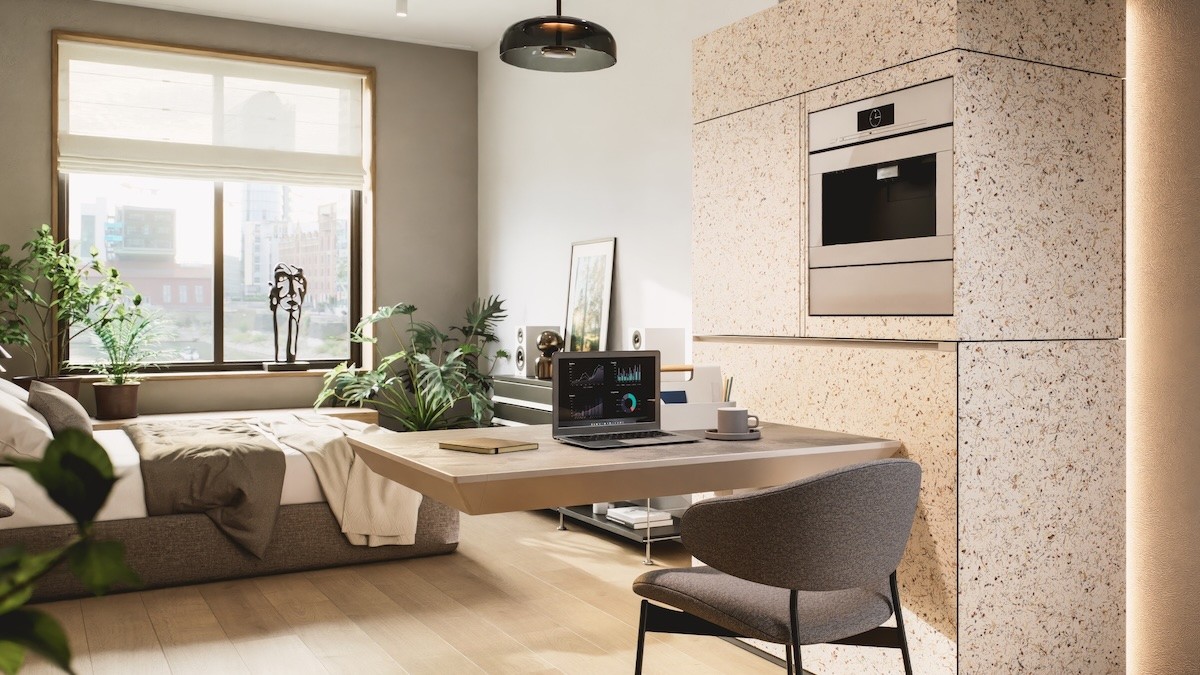
Urban living is evolving
More and more people are moving to cities, where living space is naturally limited. More efficient floor plans and flexible furnishing solutions will therefore become increasingly important. Adaptable living concepts are in demand – partly because people today want to be able to respond more quickly to change and shifting needs. As a result, rooms are often no longer conceived in static terms, but rather in line with actual usage requirements. Instead of the traditional living room layout, the focus is shifting to flexible furniture that allows the living space to be organised in a variety of ways. Modular furniture systems can also help to make optimal use of the available living space, acting as a ‘modular system’, and can be expanded as more space becomes available.
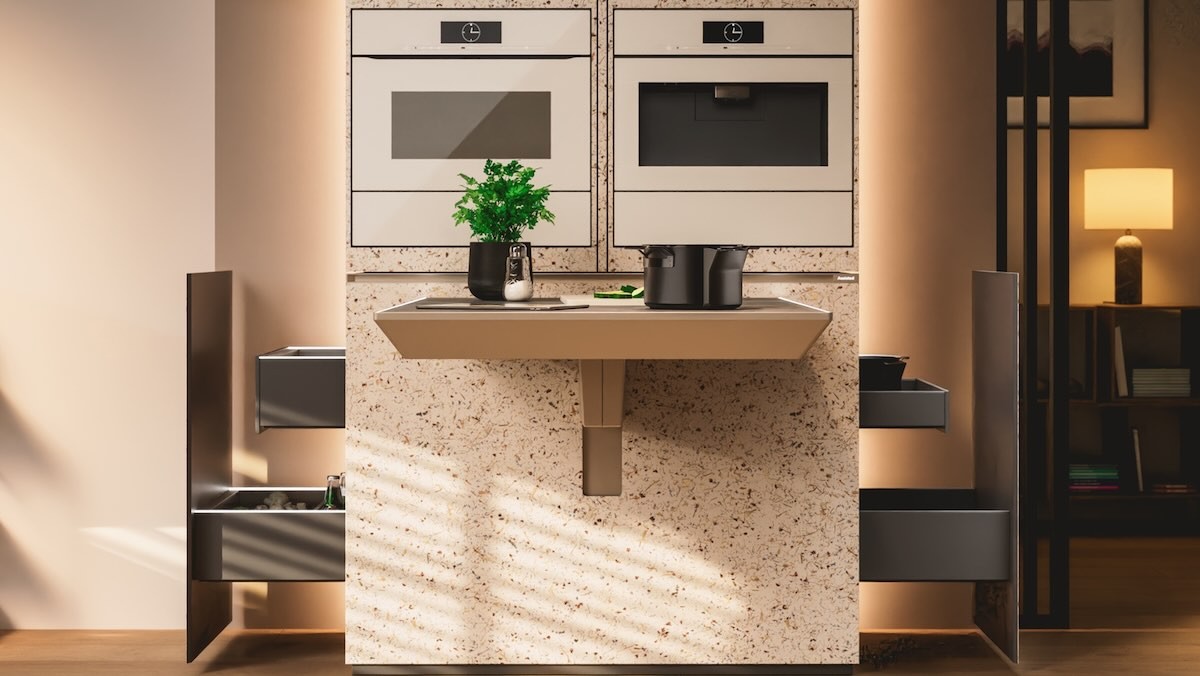
A fully-fledged cooking environment can be created as and when required – a concept study by Hettich and Miele. © Hettich
Multifunctional with added value
Today’s trend towards flexible living means that activities which were once separate – such as cooking, eating, relaxing or working – often take place side by side. Living spaces are merging, calling for suitable furniture and spatial concepts. ‘Multifunctional’ is the keyword for the intelligent integration of different usage scenarios within a compact space. The multiple uses of a piece of furniture or furniture system allow for a variety of situations. Classic examples include the bed with hidden storage or the armchair with a reclining function. Newer solutions incorporate folding, swivelling and pull-out elements, making the living space even more adaptable
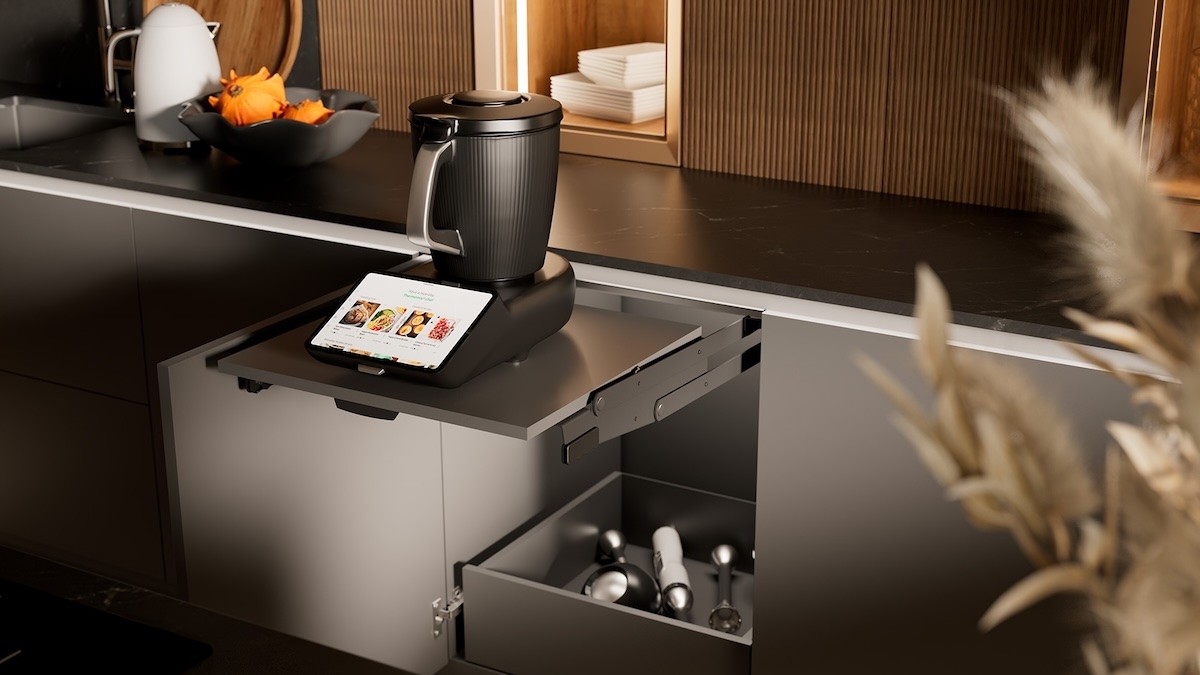
ChefsTable swivel mechanism for base units by Kesseböhmer. © Kesseböhmer
Greater comfort for everyone
Nowadays, ‘multifunctional’ also means making living easier for as many generations as possible. As the number of older people increases, so does the need for comfort and ease of use. To make household chores easier, there are not only smart appliances such as robot vacuum cleaners or multifunctional food processors, but also specially designed furniture. Ergonomic considerations are playing an increasingly important role in this regard. For example, kitchen units can be adjusted with a simple movement to bring them to working height or swivelled out for easier access. Intuitive operation also further optimises the opening and closing of doors and drawers, as well as the adjustability of seating, for greater ease of use.
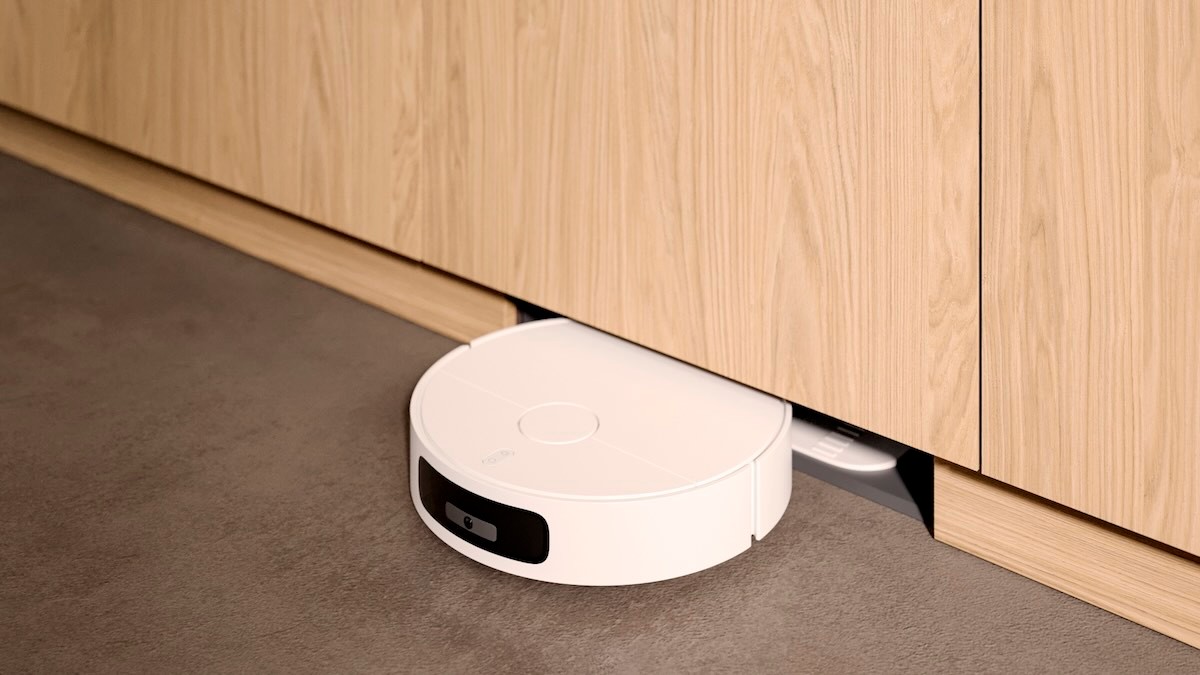
Smart storage for smart devices. © VHK
Smarter living with a system
Smart technologies for lighting, control and security have become commonplace in many households. With the rise of autonomous and AI-based solutions, the demand for such systems will continue to grow. Sensors, voice assistants and apps are increasingly replacing manual operation. Furniture design can support such systems with built-in sensors, concealed power supply and integrated charging points for operating or charging smart devices. Thanks to intelligent furniture design, the technology for the home office also recedes into the background visually. In the kitchen and garden, storage space is also needed for smart everyday helpers such as vacuum and lawn mowing robots.
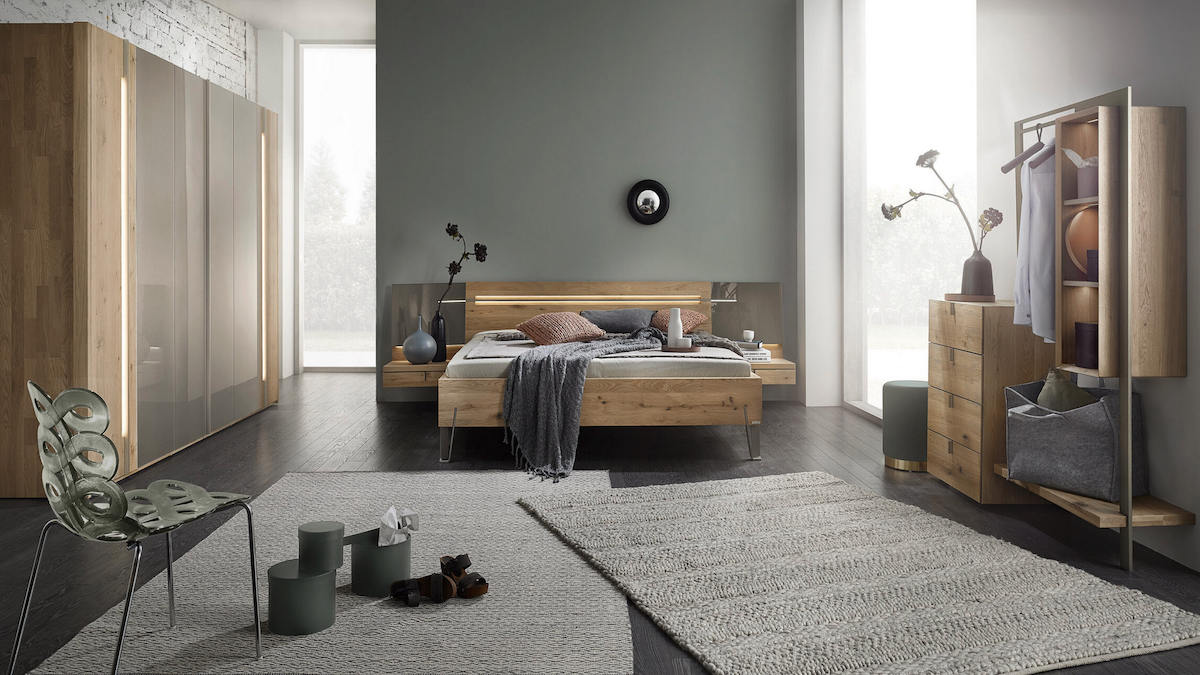
As a renewable and breathable material, solid wood is currently very popular for furniture. © IPM/Thielemeyer
More consciously and healthily interior design
At the same time, people are living more consciously these days. Factors such as quality, health and responsibility are playing an increasingly important role and are changing furnishing and consumption habits. Regional production, transparent supply chains and sustainable manufacturing often influence purchasing decisions. Natural materials for furniture, such as solid wood, are in vogue not only for reasons of sustainability, but also because they improve the indoor climate. Untreated or simply oiled surfaces also contribute to a healthy living environment. Recyclable materials are also gaining in importance: recycled composites, bio-based plastics and renewable raw materials are being used more and more frequently in furniture and interior design.
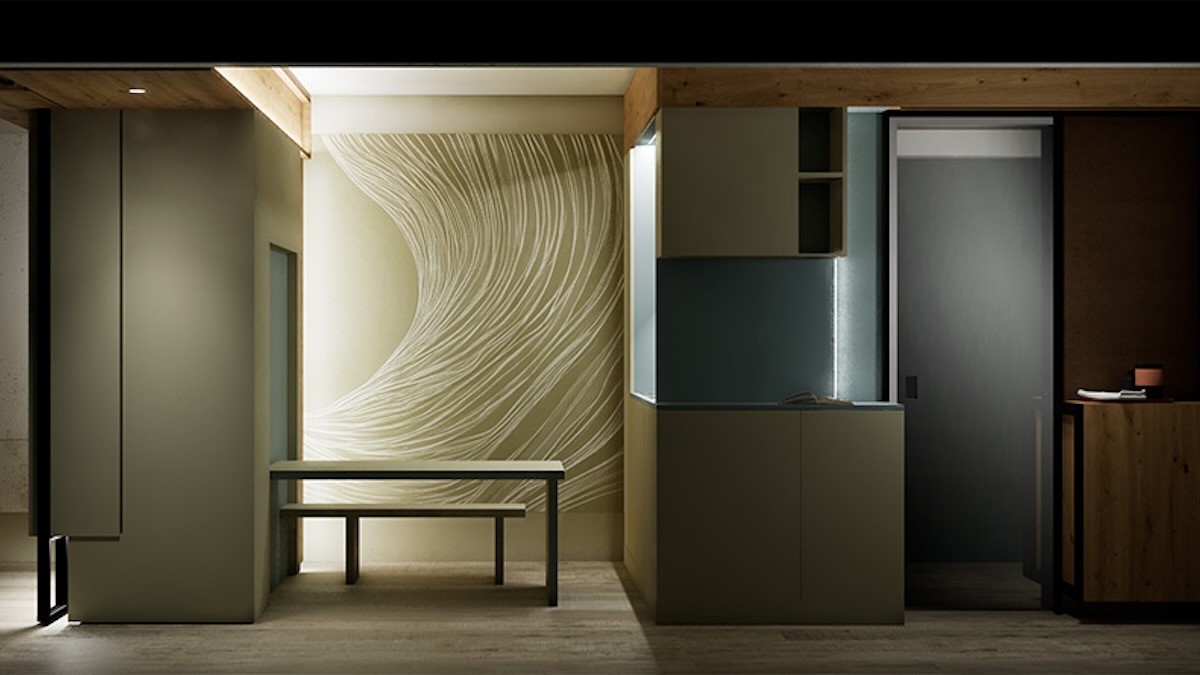
The “Dynamic Living” project study presented by Häfele at interzum 2025. © Häfele
Form follows Emotion
Alongside the practical function of furniture, the emotional aspects of interior design are becoming increasingly important. New interior design solutions respond to the fast pace of everyday life with a sense of relaxed sensuality. Soft, flowing forms lend furniture a distinctly homely feel. Tactilely appealing materials such as wood, natural stone, ceramics or textiles often characterise interior design. Muted colours are harmoniously combined, acting as a counterpoint to visual overload. The emotionally stimulating overall picture is rounded off with furnishings that radiate individuality and personality.
interzum 2027 will showcase the new ideas and solutions that the supply industry is developing in response to current interior design trends. A wide range of exhibitors has already been confirmed for the upcoming edition – including almost all global key players, long-standing exhibitors and companies returning to interzum. From 11 to 14 May 2027, the international supply industry will gather in Cologne to provide important impetus for the further development of the furniture industry and the future of living.


