


-

- Magazine
-
Articles
Expectations for the furniture market
Dynamic Market Environment
In 2026, the global furniture market finds itself in a challenging and rapidly changing environment. Faced with the enormous pace of change, companies in the furniture industry are repositioning themselves. Manufacturers are minimizing risks, relocating their supply chains, and avoiding overproduction. Increasing automation and the introduction of artificial intelligence offer new opportunities for optimizing production and logistics.
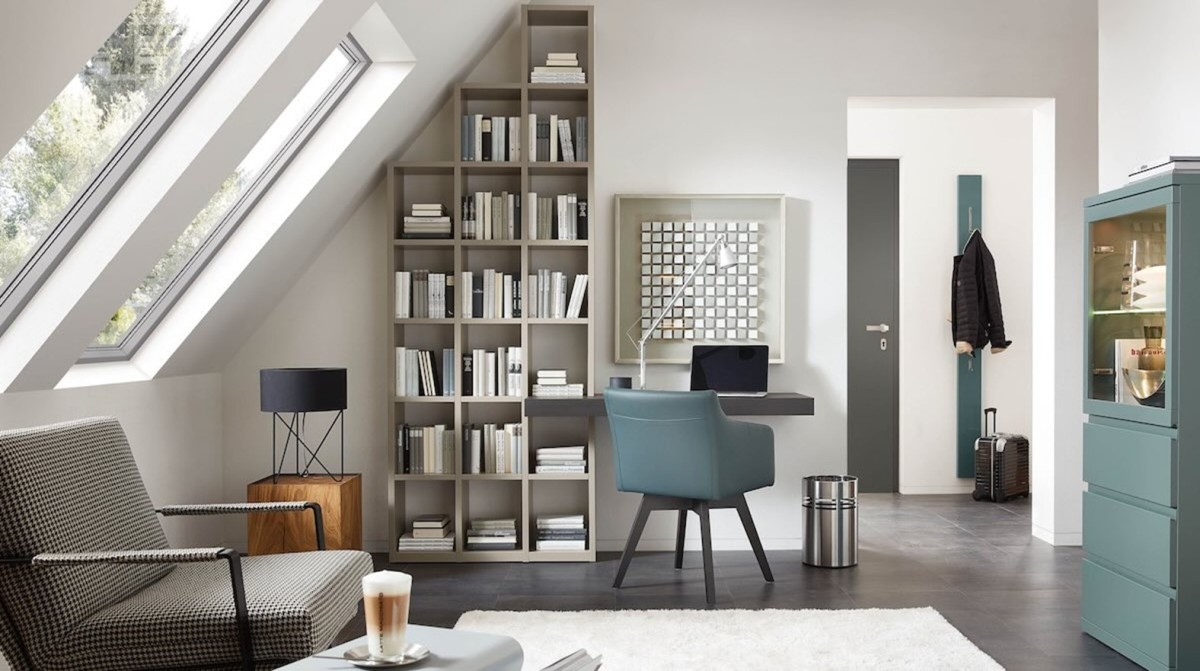
Durable furniture enhances the look of your home. © DGM/RMW Wohnmöbel
Global Growth Trajectory
Current market forecasts predict future growth for the global furniture industry. For example, the data platform Statista expects an annual growth rate of 3.07 percent through 2030. Other international institutions anticipate similar growth rates. According to Statista, the highest sales in 2026 will be achieved in the U.S., underscoring the country’s market significance in the furniture sector. Factors driving this growth include an increasing focus on health and sustainability, as well as changes in work environments.
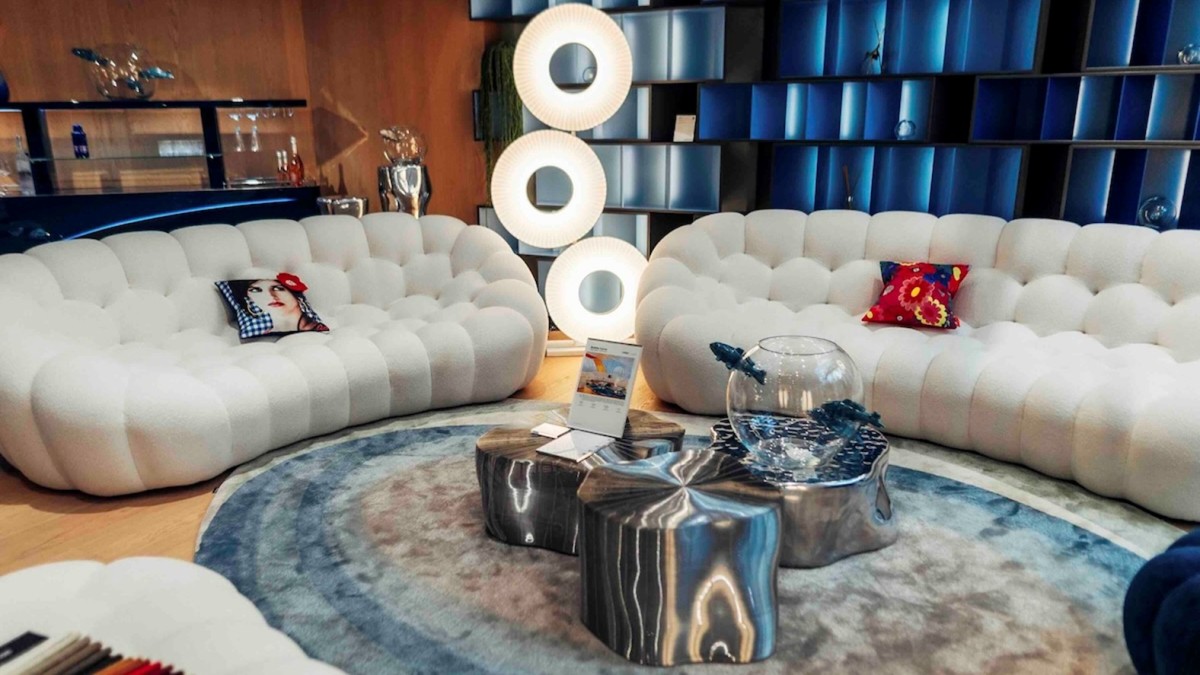
The living room furniture segment dominates the US market, which generates the highest sales. © Koelnmesse GmbH / LINTUR
Shift in Consumer Focus
Home furnishings are a dominant segment within the market. This is due, in part, to a shift in consumer behavior. “We are currently seeing a shift in consumer spending due to geopolitical crises: restrictions on vacation destinations and rising mobility costs are changing consumers’ priorities and increasing the value they place on their own homes,” says Jan Kurth, Managing Director of the German Furniture Industry Associations.
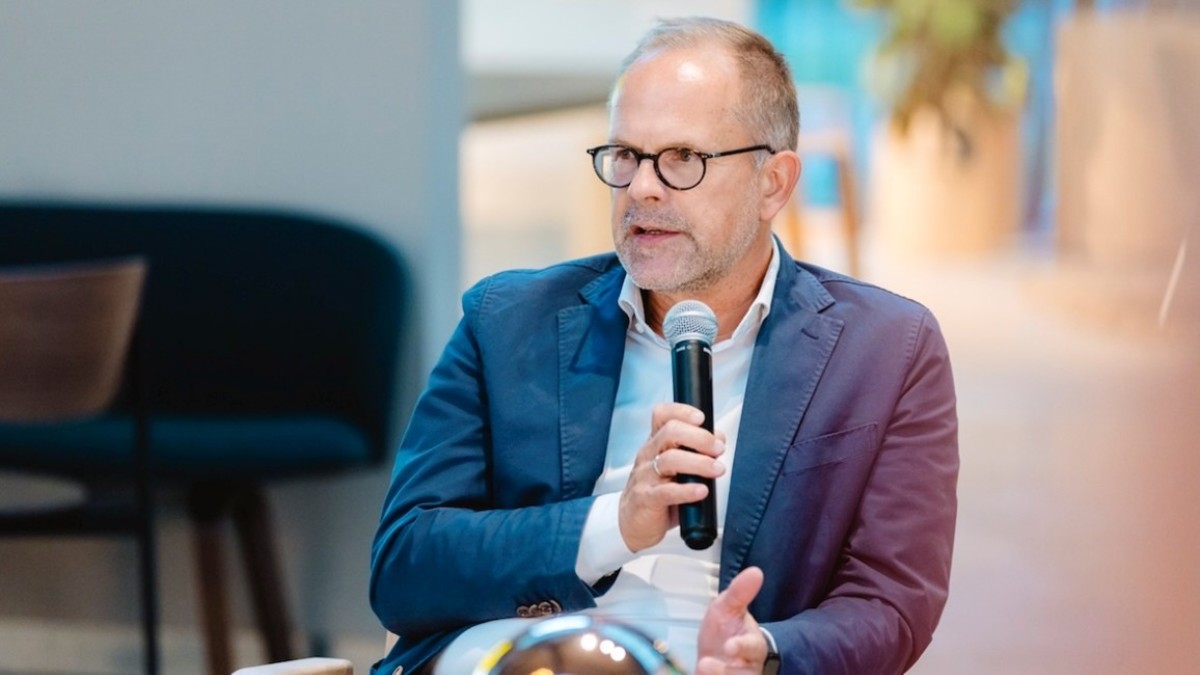
Jan Kurth, Managing Director of the German Furniture Industry Associations. © Koelnmesse GmbH / Kathrin Vogt
Opportunities for Market Recovery
Demand for furniture is therefore closely linked to trends in the housing market. A recovery in the housing market also contributes to a recovery in the furniture industry. Global measures to stimulate housing construction will have a long-term impact on production figures. In Germany, for example, there is currently an increase in the number of building permits being issued. “In addition to furnishing new buildings, we see opportunities in the renovation business,” says Jan Kurth. Furnishing offices, restaurants, and hotels also offers significant growth potential.
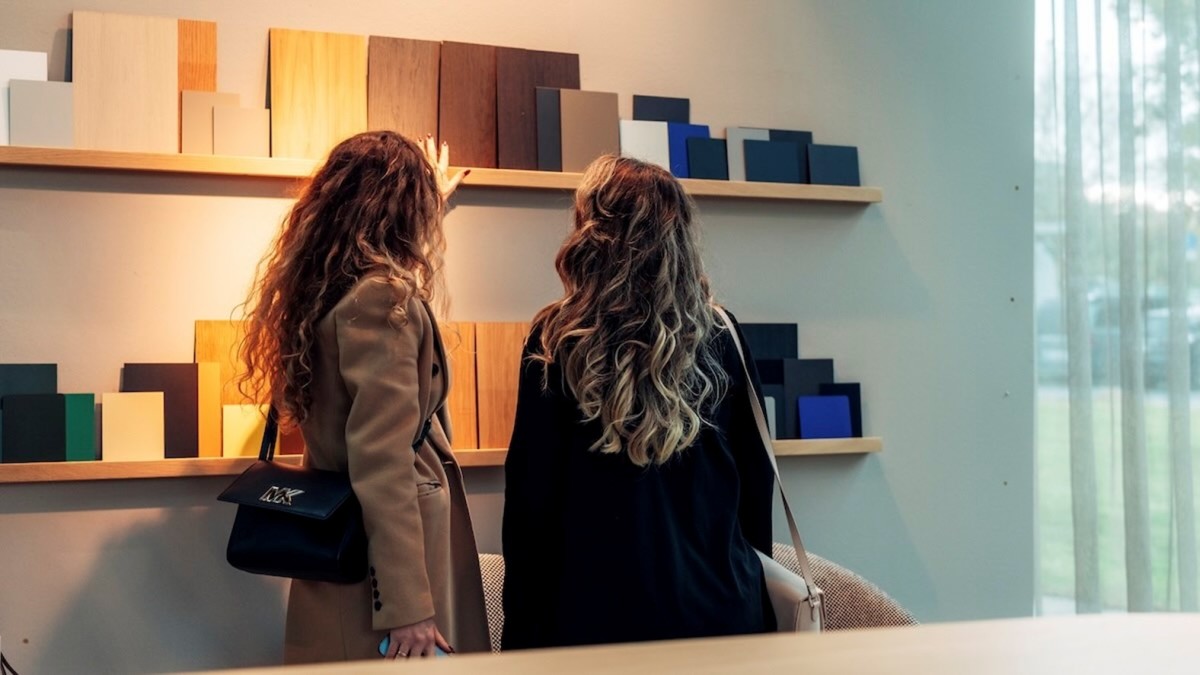
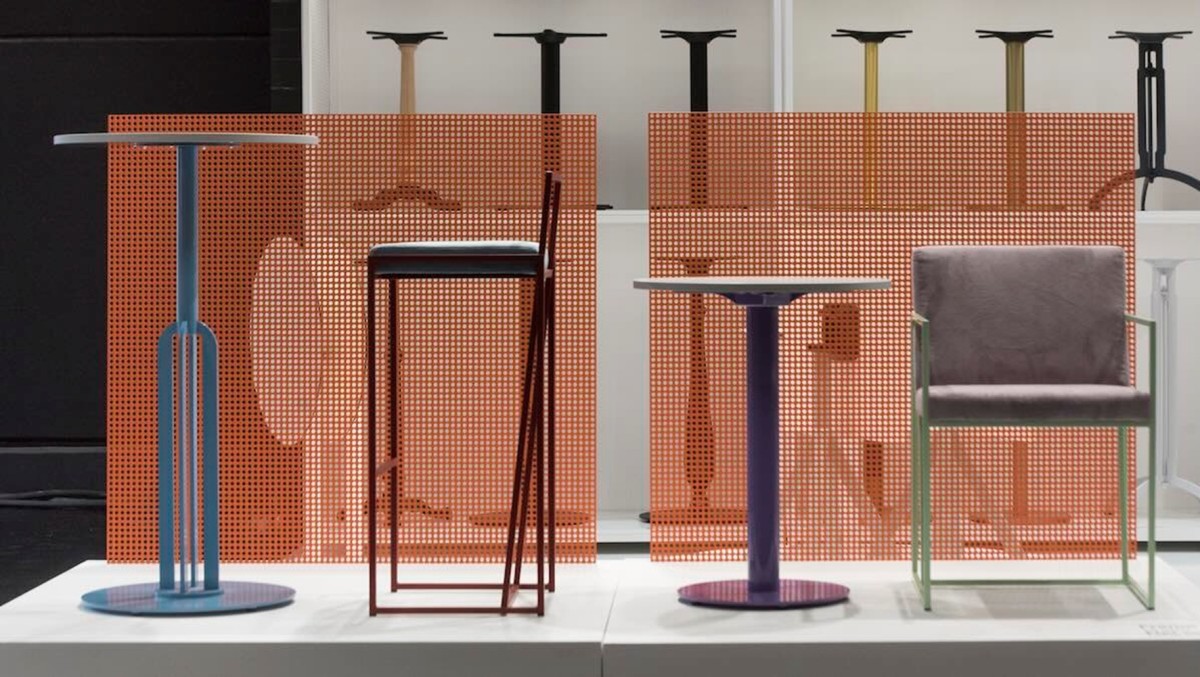
The customization of products in terms of colour and material selection is a key trend for the future. © Koelnmesse GmbH / LINTUR
The Influence of Interior Design Trends
The development of the global furniture market is also shaped by home and interior design trends. Sustainable products are seen as a key focus area. Furniture manufacturers can stand out in this regard by emphasizing the durability of their products and the use of renewable energy sources. Furthermore, the optimal use of available space also plays a role. Younger and urban target groups, in particular, are increasingly opting for compact, modular, and multifunctional designs when furnishing their homes. Products that can be adapted to personal needs are in high demand.
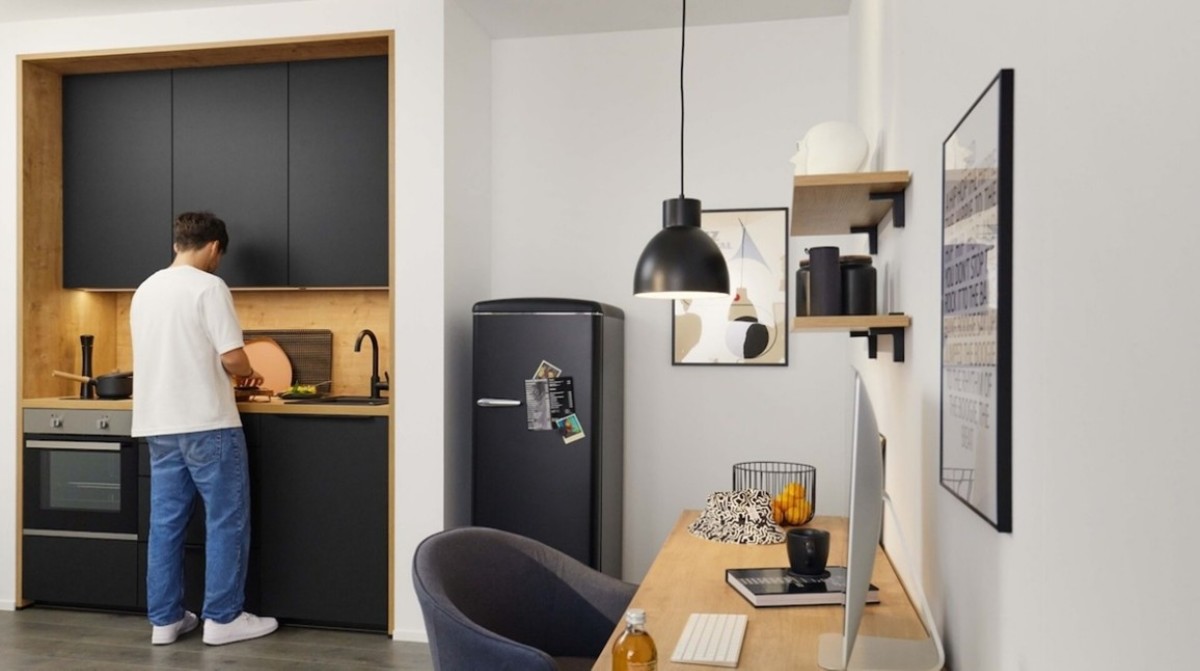
When buying furniture, younger people tend to look for compact, modular, and multifunctional solutions. © AMK
Furniture-Buying Preferences
Different preferences when buying furniture also influence the market. A recent YouGov survey conducted for Koelnmesse shows that Gen Z tends to seek flexible and space-saving solutions, Millennials want design with practical value, Generation X looks for products that offer organization, durability, and versatility, and Best Agers specifically invest in comfortable furniture. Looking ahead, there will be demand for both compact, flexible concepts for urban households and comfort-oriented, service-driven solutions. In general, furniture will need to demonstrate its suitability for everyday use even more clearly in the future.
Future Strategies for Suppliers
For suppliers in the furniture and interior design sectors, all of this raises key questions: How can they become more resilient to dynamic market developments? How can they optimize their own and shared processes? What will the strategies and value creation of the future look like? The upcoming interzum will reveal the answers the international supplier industry finds to these questions. From May 11 to 14, 2027, everyone interested in learning about trends and innovations in furniture manufacturing and interior design will gather once again in Cologne. With its high level of internationality and density of innovation, the trade fair will once again provide a wealth of inspiration for the future of the industry.


