


-

- Magazine
-
Articles
Driving the circular economy
Focus on supply chains
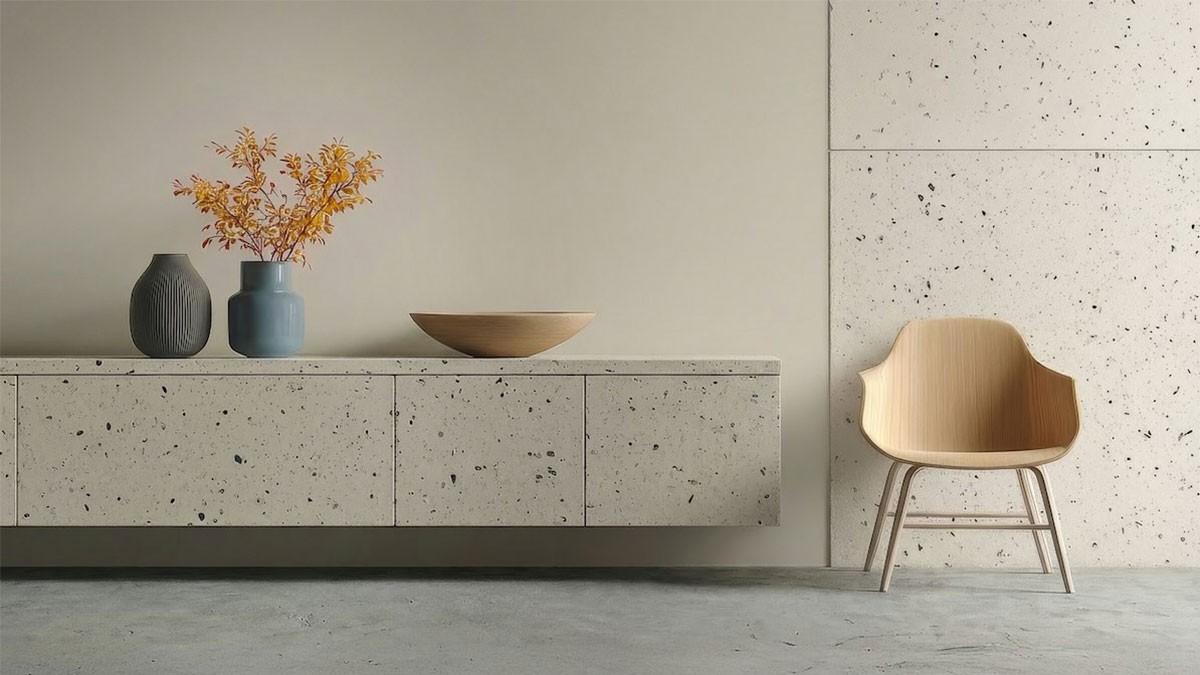
To address global economic disruptions, many suppliers are focusing on building reliable supply chains. The situation on the global market, as well as new regulations regarding material origin, are bringing procurement into sharp focus. To ensure the sustainable expansion of the supply chain, exhibitors at interzum are therefore increasingly relying on material cycles and the shortest possible transport routes. For example, Fantoni, a global manufacturer of MDF and particleboard, is currently expanding its collection and sorting platforms in Italy. At these facilities, waste wood from industry is sorted and prepared for recycling. The platforms are located in such a way as to enable short delivery routes.
Less volume, more options
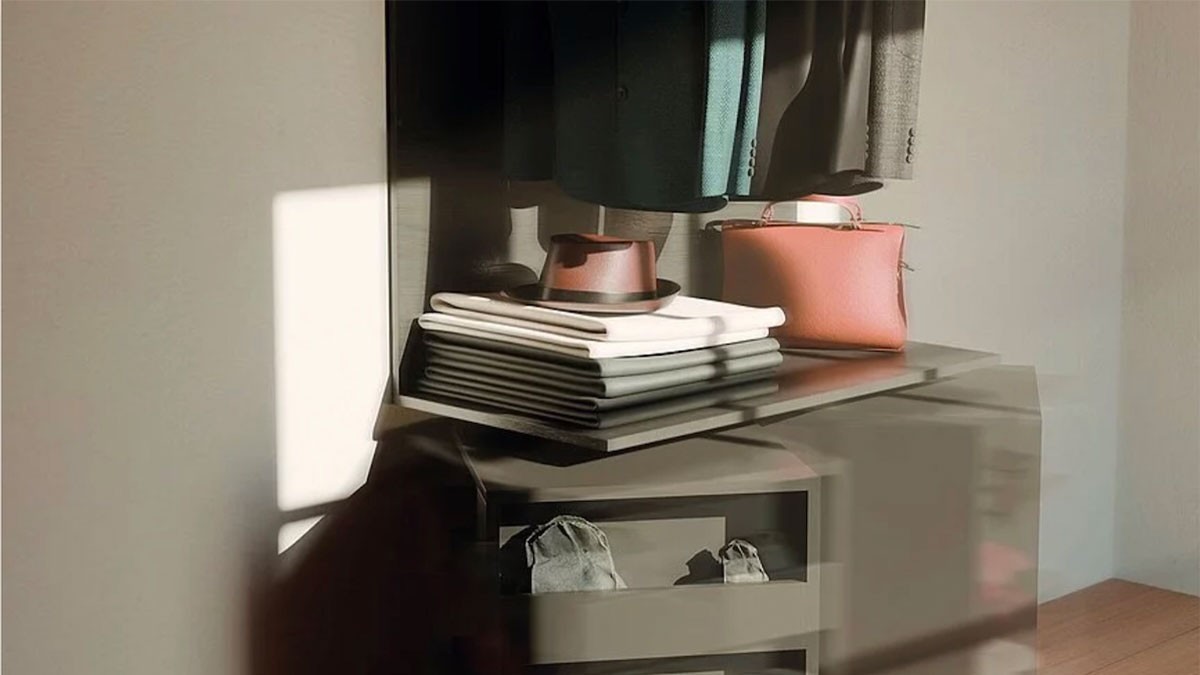
Fittings specialist Häfele is shortening delivery times with a newly opened Dynamics Center. The new logistics and innovation facility was designed from the ground up with sustainability in mind, making it possible to significantly reduce the amount of packing material, lower the height of packages, and thus decrease the overall transport volume. The DIY division of hardware specialist Hettich is opening up new possibilities for building your own furniture with “EasySpin” — a square, roller-mounted base to which the furniture is attached. This allows the piece of furniture to be rotated, offering two independently configurable sides in a single product. The innovative mechanism makes optimal use of space, thereby saving room and making even small floor plans feel spacious.
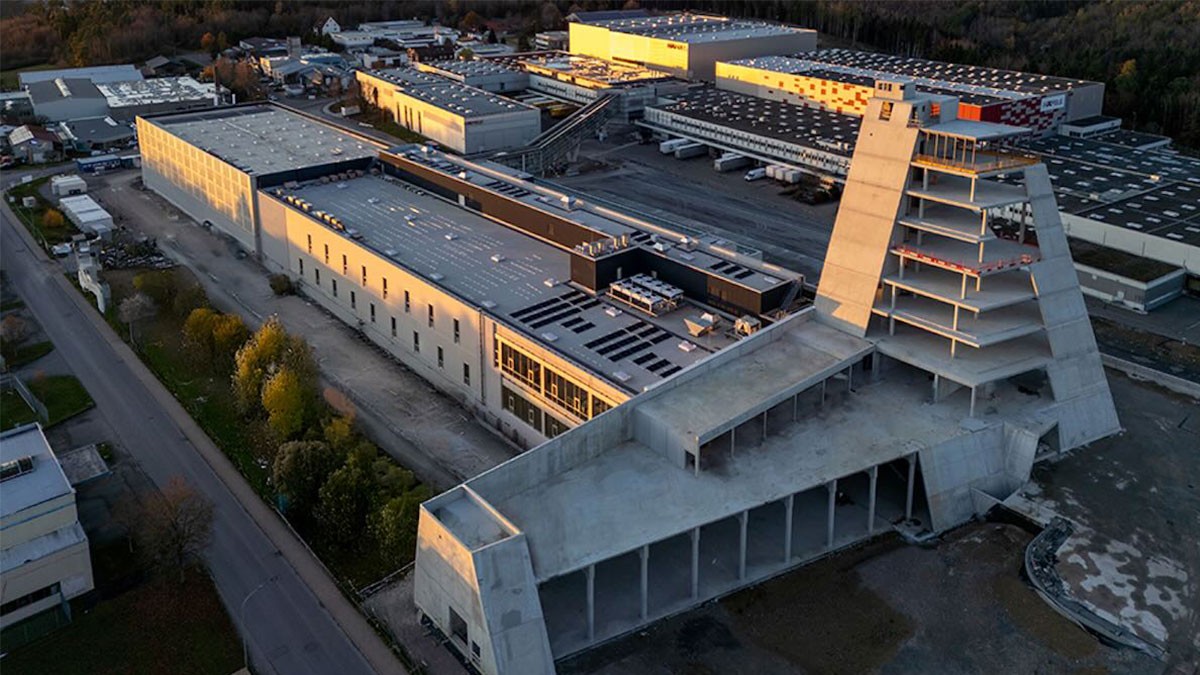
Construction of Häfele's new logistics facility to reduce delivery times. © Häfele
Waste as a Resource
Many exhibitors at interzum now use waste as a resource. One example is the decorative printing company Interprint, which is increasingly turning to recycled paper and recyclable materials. The company’s latest innovations include “2nd Harvest Paper” made from crop residues, as well as acoustic panels and backing boards produced from its own paper waste. Spanish film manufacturer Ebeam Foils demonstrates how sustainable paper solutions can replace the use of plastic: Its “Paper Foil” brings the advantages of transfer film to a paper-based format. Decorative papers made from natural silphium fibers by German manufacturer Felix Schoeller also offer promising options. The new “Technocell® Sylphia” is suitable for naturally textured surfaces with a completely new feel.
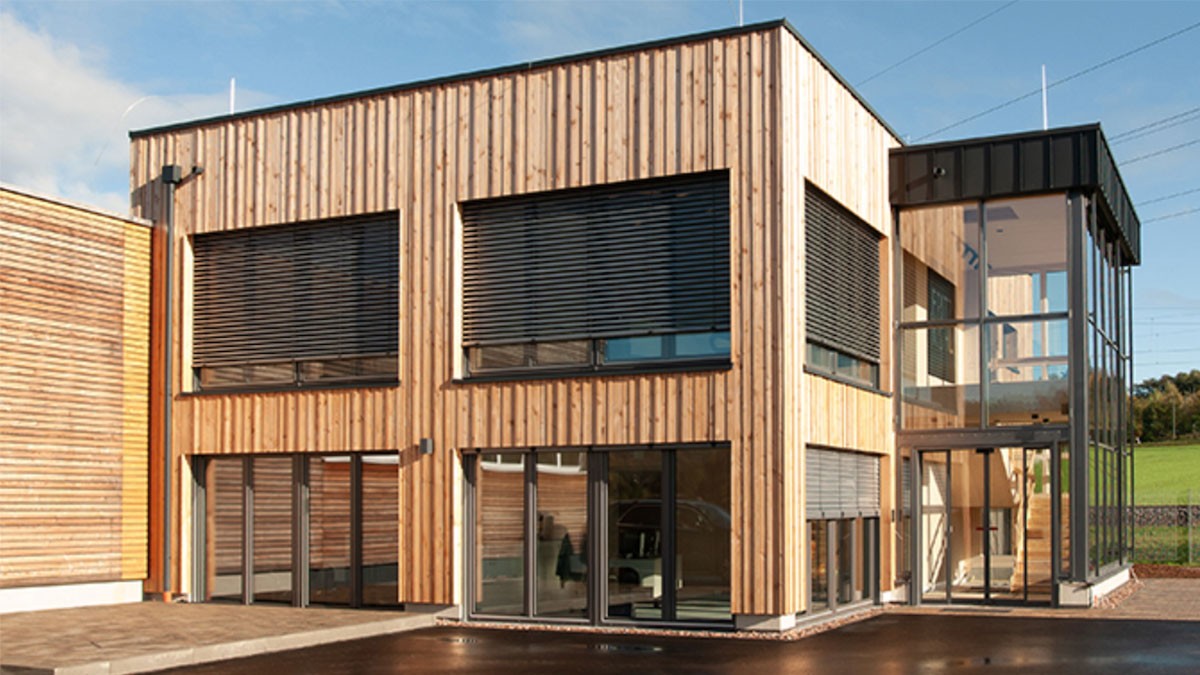
New office building from Fritz Kohl, constructed using timber and meeting the KfW 40 standard. © Fritz Kohl
The trend toward wood construction
Wood and wood-based materials are also sustainable in an ecological sense. As a renewable resource, this natural material is currently trending in architecture and interior design. Veneer manufacturer Fritz Kohl demonstrates the advantages of wood construction with its new office building. The new building was constructed entirely from local woods in accordance with the KfW Standard 40, thus serving as an active and permanent CO₂ sink. Specifically for the interior design of such office buildings, the wood specialist EGGER has developed the new “OSB Flammex” panel made from softwood. It meets the increased fire safety requirements while also impressing with its efficient use of resources.
_m24_full_m36_1025.jpg)
“OSB Flammex”: Softwood panel designed to meet strict fire safety requirements. © EGGER Holzwerkstoffe
Bio-based components
The Danish supplier Furnipart has investigated how wood behaves when shaped into functional components for a new collection of furniture handles. The handles, featuring the new “Nordic Oak” finish, are made from FSC-certified oak and combine Nordic minimalism with craftsmanship. To move closer to a true circular economy, wood-based panel manufacturers are also seeking new solutions.
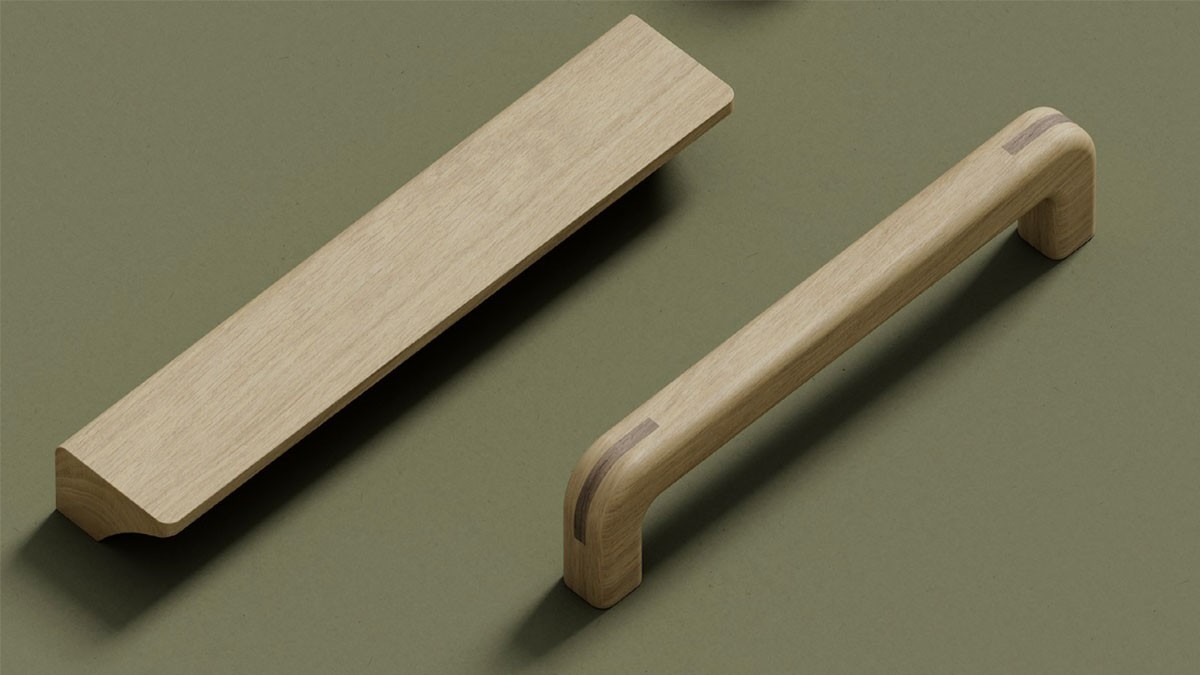
Furniture handles with a “Nordic Oak” finish made from FSC®-certified oak. © furnipart
Further development of production
To enable more environmentally friendly production, many suppliers are continuing to refine their processes. A recent example is the specialty paper manufacturer Felix Schoeller. Using a multi-layer dispersion curtain coating process, the company produces packaging with water-based barrier layers — flexible, recyclable, and resource-efficient. The Hennecke Group, which specializes in polyurethane processing, has announced a further development of overmolding technology. The goal is to make the technology widely accessible and seamlessly integrable into various machine platforms. Compared to conventional coating processes, overmolding technology eliminates the need for solvent-based workflows and is completely VOC-free.
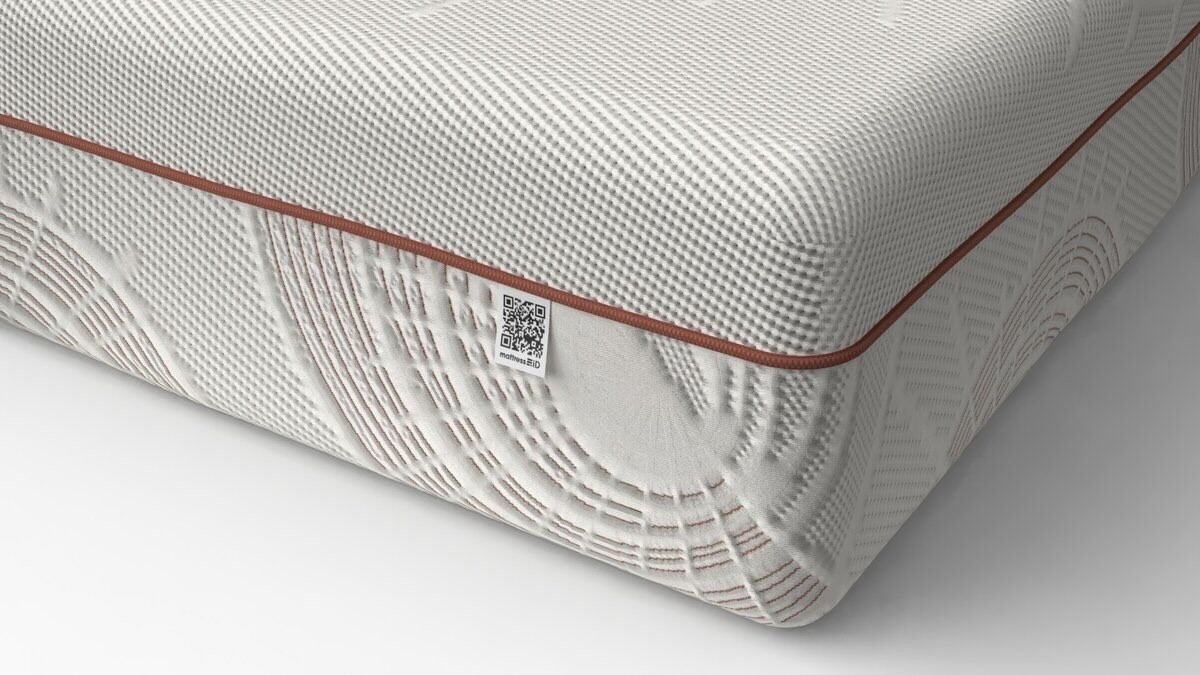
The “Infinity Cover” mattress cover is based on a circular approach. © BekaertDeslee
A New Life for Mattresses
Most materials used in mattress production are also recyclable. Nevertheless, up to 30 million mattresses are sent to landfills or incinerated in Europe every year. The Belgian mattress manufacturer BekaertDeslee is tackling this challenge head-on by offering a fully recyclable solution. The “Infinity Cover” mattress cover is made of polyester, 91 percent of which consists of recycled materials from PET bottles or textile waste—including 30 percent of the company’s own production waste. A Digital Product Passport (DPP) and an RFID tag enable easy identification of the materials for sorting and recycling.
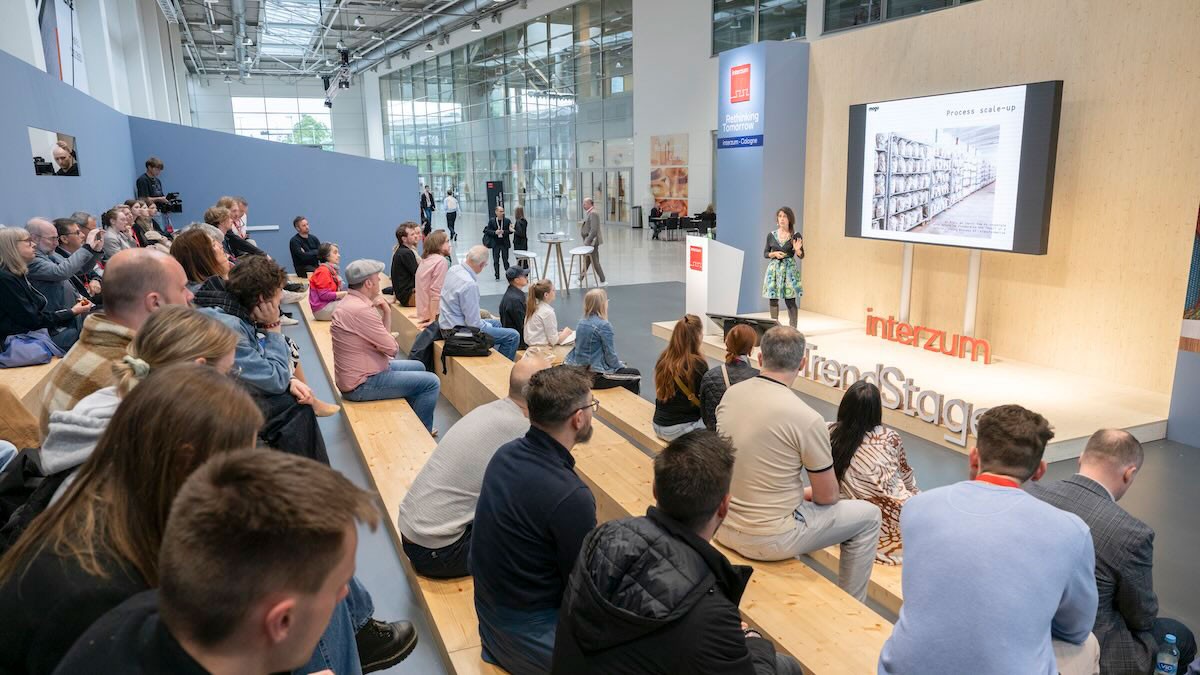
From May 11 to 14, 2027, interzum will once again serve as a showcase for future trends. © Koelnmesse
A showcase for future trends
With its innovations, the supplier industry is providing important impetus for sustainable development in the furniture industry. The progress made so far serves as an incentive for the industry to take further steps toward a circular product ecosystem. The upcoming interzum will showcase the exciting and groundbreaking solutions being developed for this purpose. From May 11 to 14, 2027, the world’s most important industry event will once again present innovative materials, intelligent components, and smart technologies. The trade fair will thus once again serve as a showcase for future trends and a meeting place for exchange and a spirit of optimism.


